01 // DOM & STYLE
Read Template Specs → Card Template Architecture
Semantic HTML templates, CSS containment, responsive typography, and Cloze deletion structures designed to eliminate cognitive clutter during high-speed review sessions.
Practical manual for custom flashcard construction, algorithmic spacing geometry, and structural interval scheduling. Built directly without agency bloat.
I build and optimize Anki environments by hand. Over eleven years of configuring SRS databases for medical licensures, technical standards, and language acquisition, I treat every flashcard as a structural node inside a spatial information landscape. When spacing lines are calibrated with mathematically sound intervals, recall retention exceeds 90% with minimal daily load.
Instead of downloading messy shared decks containing invalid HTML formatting, I configure clean card syntax from raw source documents. You can inspect the structural rules in our Card Template Architecture & CSS Syntax reference or review the core scheduling math detailed in Interval Scheduling & FSRS Algorithm Calculations.
Detailed mechanical breakdowns for every stage of your database configuration.
Semantic HTML templates, CSS containment, responsive typography, and Cloze deletion structures designed to eliminate cognitive clutter during high-speed review sessions.
Transition analysis between SM-2 legacy variables and modern Free Spaced Repetition Scheduler equations. Stability parameters, retention curves, and lapse interval weights.
Multi-tier tag hierarchies versus rigid subdeck branching. Spatial organization principles that prevent deck fragmentation while maintaining topic isolation during reviews.
Python extension pipeline setups, AnkiConnect bridge integration, SQLite backup protocols, and automated formatting hooks to maintain database integrity across devices.
Speed pacing routines, hard-fail boundaries, cognitive friction management, and day-to-day session throttling methods configured for heavy multi-topic workloads.
Re-verify core principles, diagnostic routines, deck health benchmarks, and field consultation requirements across our complete documentation directory.
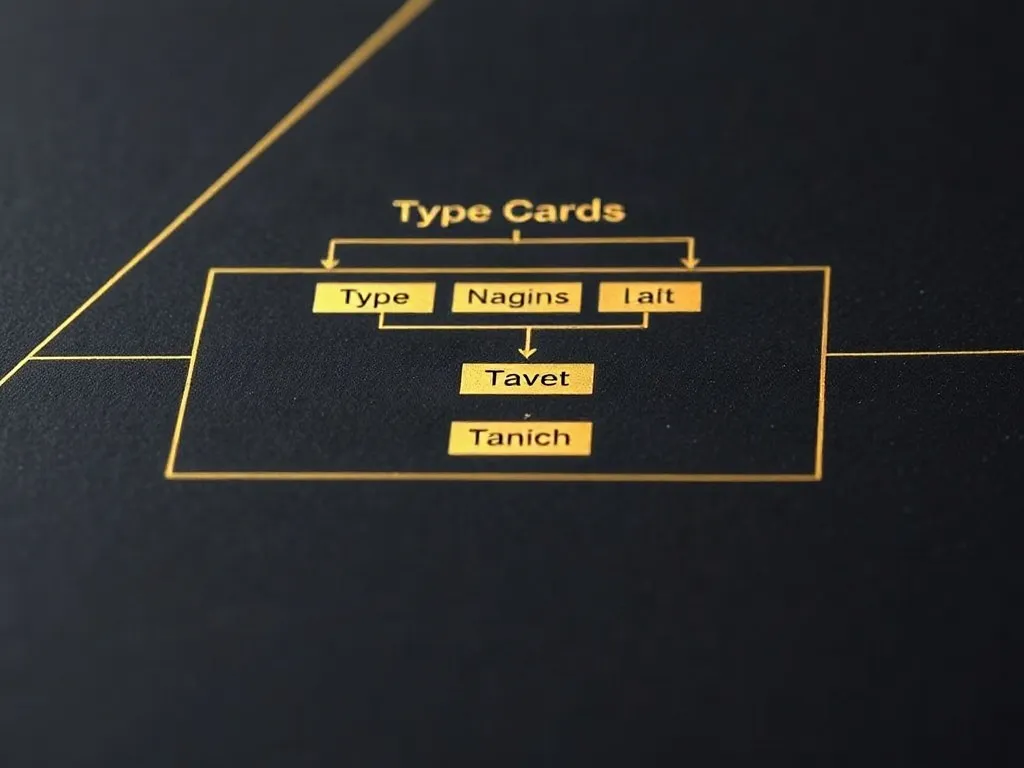
A poorly structured card forces the eye to scan unstructured paragraphs, destroying review velocity. In my workshop setups, I enforce strict containment boundaries: a dedicated breadcrumb line for context, an isolated prompt zone with minimum 24px line height, and a masked answer container that renders without layout shifts.
Direct work done personally. No agency markups, no hidden monthly recurring charges.
| Service Scope | Description | Turnaround | Fixed Price |
|---|---|---|---|
| Full Deck Audit & Cleanup | Diagnosis of corrupted HTML tags, removal of 200+ duplicates, database integrity re-indexing. | 24 Hours | $120 |
| FSRS Parameter Calibration | Analyzing review log history (minimum 1,000 reviews), computing custom 17-weight FSRS tensor. | 48 Hours | $180 |
| Custom HTML/CSS Template Kit | Hand-coded Basic + Cloze card templates matching your visual preferences, with dark/light mode toggle. | 3 Days | $240 |
| Raw Syllabus to Deck Conversion | Structuring 500 atomic cards directly from textbook or lecture slides with strict hierarchy rules. | 5 Days | $450 |
“My Step 1 Anki collection was falling apart with over 3,000 overdue reviews. Markdex recalculated my FSRS retention curves and cleaned the CSS. Within two weeks, my daily review load dropped from 4 hours to 85 minutes with higher retention.”
Marcus Thorne 3rd Year Medical Student, London
“We needed 1,200 aviation flight manuals converted into atomic flashcard sets for pilot certifications. The layout precision and tag hierarchies were delivered flawlessly. No unnecessary plugins, just pure solid code.”
Captain D. Weber Commercial Flight Instructor
“The custom templates made language retention practical. The Japanese kanji stroke order diagrams integrate with zero latency on iOS and desktop. Best money spent on personal engineering.”
Elena Rostova Technical Translator
Review the complete technical guide or get in touch for custom deck calibration.